Aletta®ARPD® brings automation to the preanalytical phase
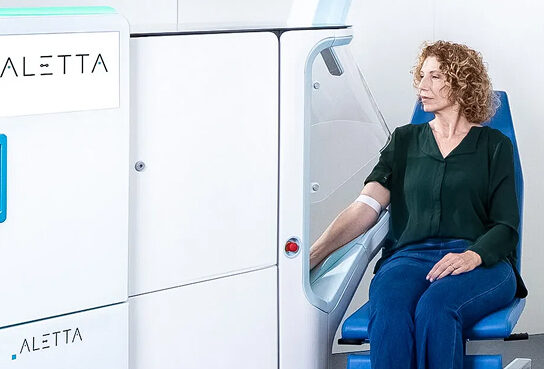
Aletta®, the first Autonomous Robotic Phlebotomy Device® (ARPD®), is designed to automate blood collection, helping laboratories managing growing sample volumes and workforce challenges.
Consistent sample quality
Aletta® ARPD® is designed to standardize blood draws, reducing preanalytical variation and ensuring quality across samples.
Streamlined laboratory workflow
By automating blood draws, Aletta® ARPD® aims to reduce workload and improve efficiency of the laboratory workflow.
Sustainable capacity
Aletta® ARPD® is designed to support laboratories that face staff shortages and increasing sample volumes.
How does Aletta® work?
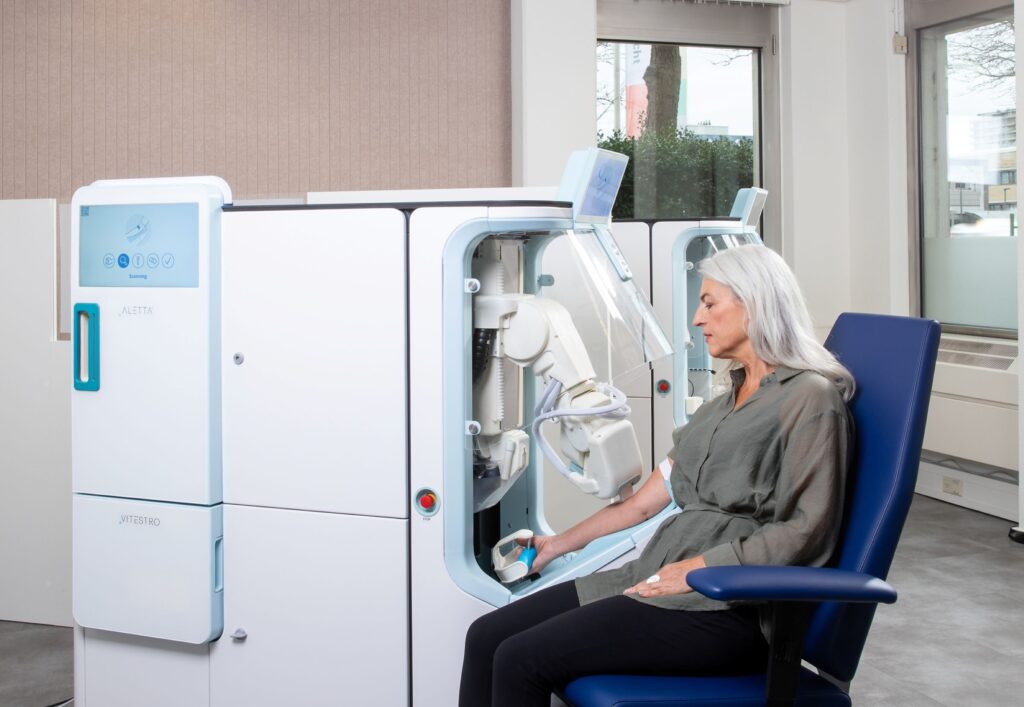
Aletta® automates venipuncture procedures, aiming to standardize the blood collection process. Operating alongside manual draw stations, it performs routine blood draws autonomously.
Using advanced multimodal imaging, combining near-infrared and ultrasound, Aletta® identifies a suitable vein. In addition, Doppler ultrasound is used to distinguish arteries from veins. The device will only proceed with the venipuncture once a suitable vein is identified.
Every blood collection with Aletta® follows the same controlled procedure. First, the device applies the tourniquet, followed by vein selection. Then, the device performs the venipuncture with submillimeter accuracy, fills and inverts the tubes, and applies a bandage.
Aletta® is designed to reduce preanalytical variability and support consistent quality across all samples. For example, tube inversion and handling are standardized within the device, aiming to minimize factors that can influence hemolysis or downstream analysis.
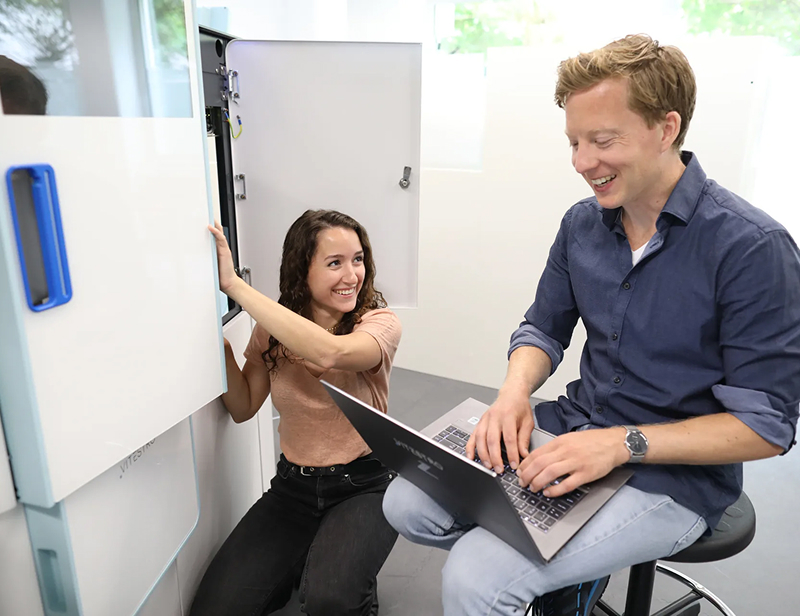
One trained phlebotomist can oversee up to three devices and assist patients when needed. This supervisor model is designed to increase capacity and relieve pressure on phlebotomy teams without changing analytical procedures or result interpretation processes.
Proven clinical performance and safety
Safe by design
Aletta® ARPD® uses a new sterile needle for each procedure. The device uses Doppler ultrasound for vein confirmation and will only attempt venipuncture once a suitable vein is found.
Every step of the procedure is standardized, ensuring consistent collection conditions and minimizing the risk of preanalytical variation.
Clinically validated performance
The performance of Aletta® ARPD® is evaluated in the premarket ADOPT trial (NCT05878483), conducted across four Dutch hospitals. In April 2026, results from the clinical trial were published in Clinical Chemistry, evaluating performance, safety and patient experience in outpatient daily clinical use. Aletta achieved a first-stick success rate of 94.5% and an hemolysis rate of 0.3%, with no moderate or serious adverse events . 90% of patients reported they experienced less or comparable pain to a manual blood draw1.
A multicenter trial in the US is planned in 2027.
Reliable across patient populations
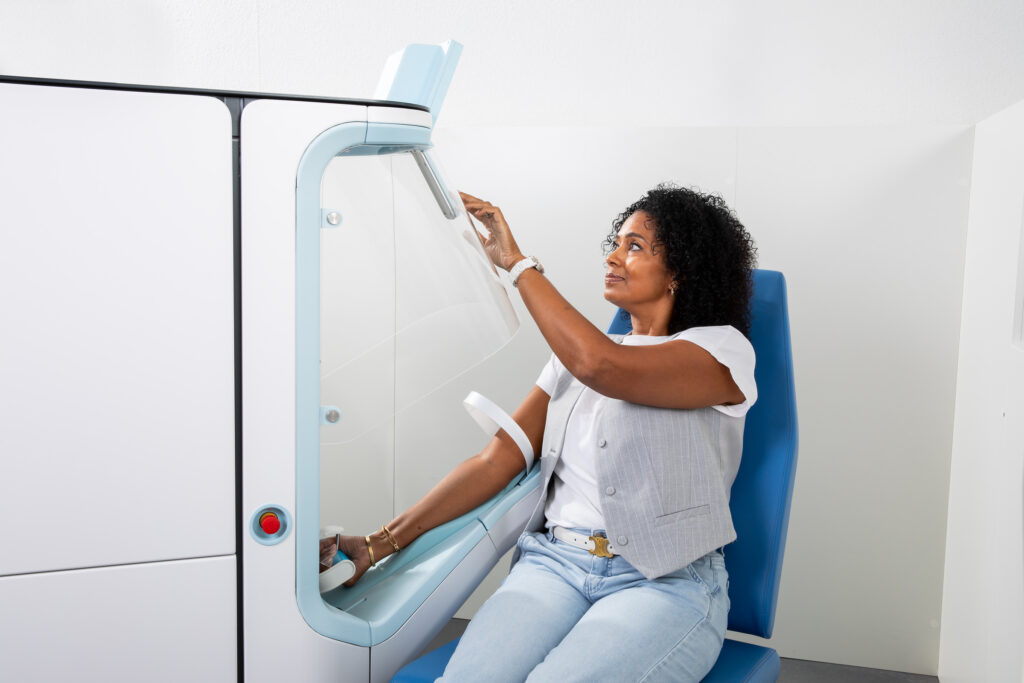
Aletta® ARPD® can draw blood from most patients aged 22 and older. Its combination of near-infrared, ultrasound, and Doppler ultrasound imaging allows accurate vein detection across skin tones.
Regulatory status
Aletta has received FDA De Novo authorization in August 2026. Aletta has received CE mark in the European Union in August 2024, and is currently used in daily clinical use within the premarket ADOPT Trial.

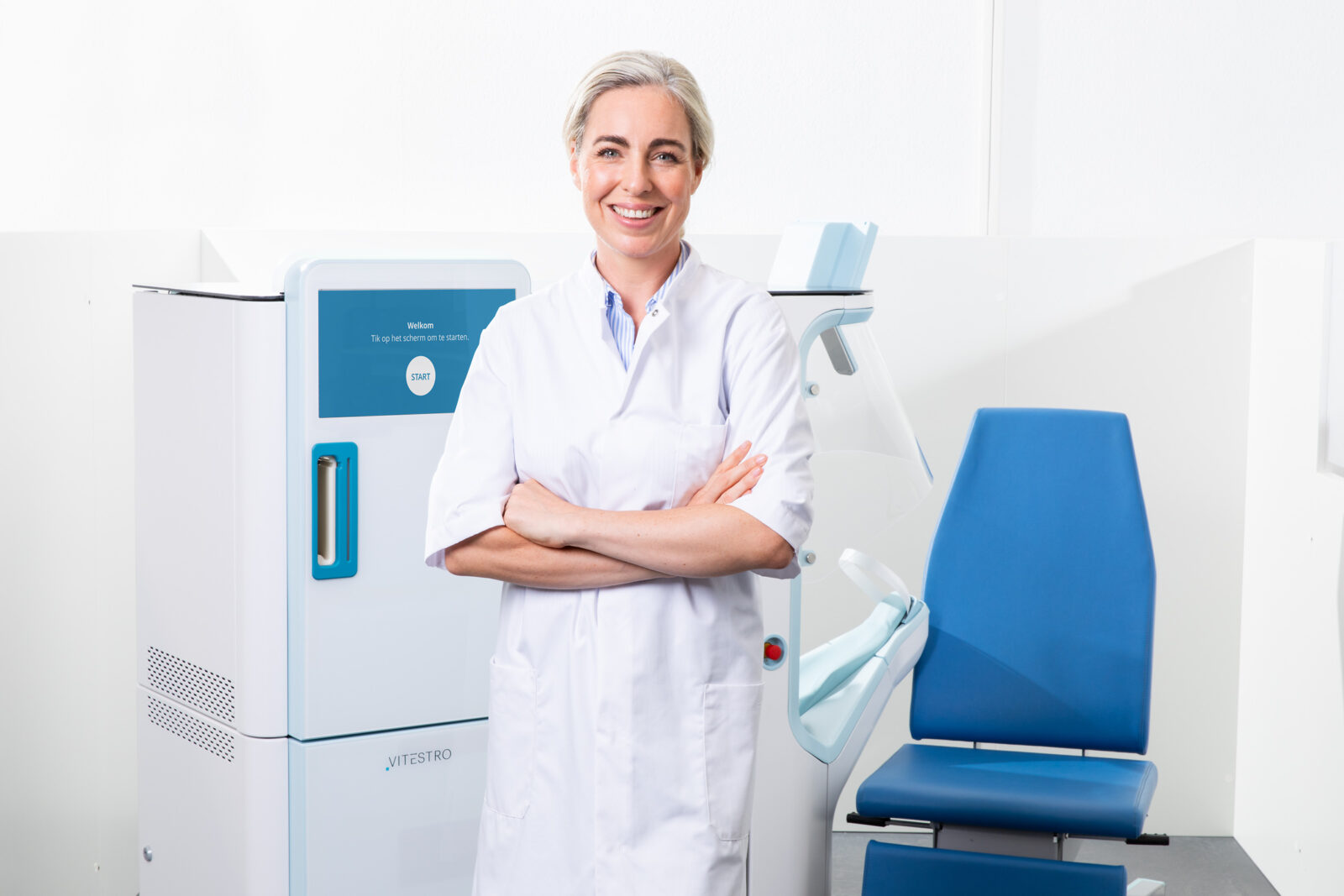
See Aletta® ARPD® in action: Experience automated blood collection
¹ Giesen, L.F.P., Roest, J.A., et al. Performance, Safety, and Patient Experience of an Autonomous Robotic Phlebotomy Device: A Multicenter Trial. Clinical Chemistry (2026)
Note: this study evaluated an investigational version of the device. The results have not been reviewed by regulatory authorities.