Driving the future of blood collection
Vitestro advances blood draw automation with clinical validation, expert engineering, and close collaboration with leading hospitals.
FDA De Novo authorization, peer-reviewed publication, and secured funding demonstrate the strength of our company and the real world momentum behind Aletta®.
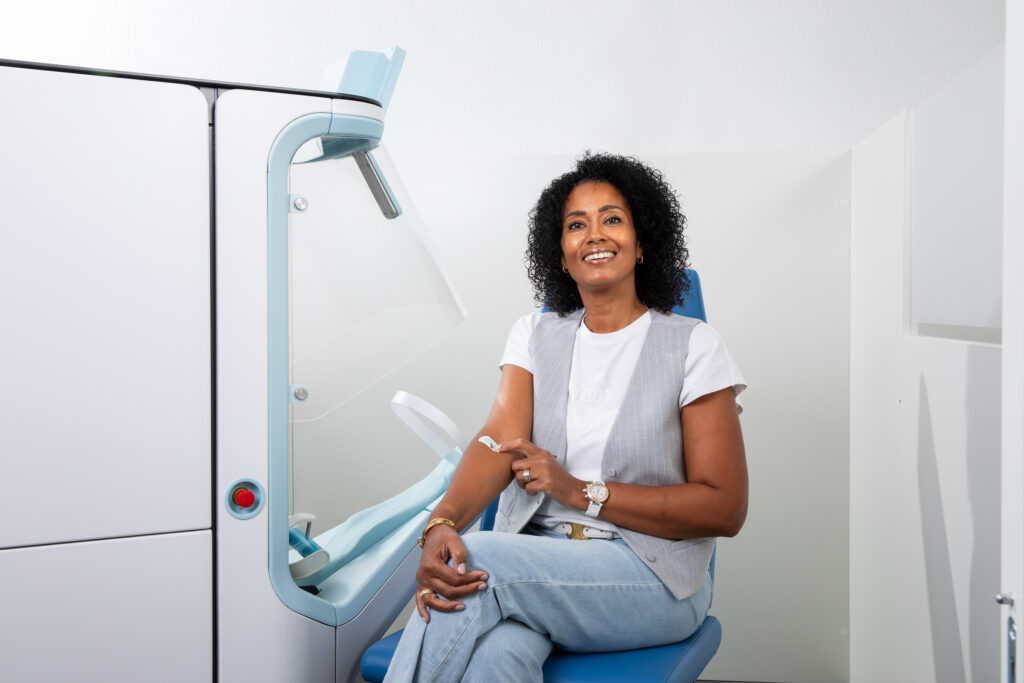
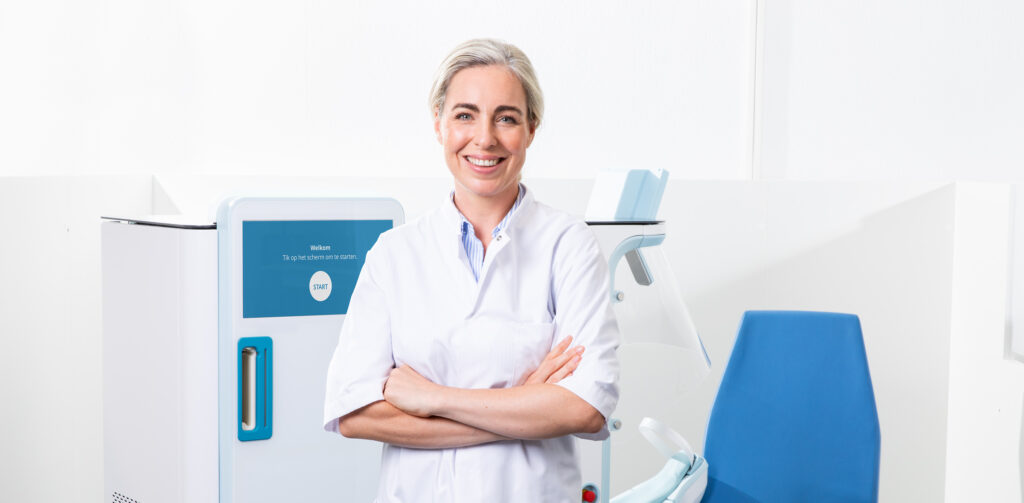


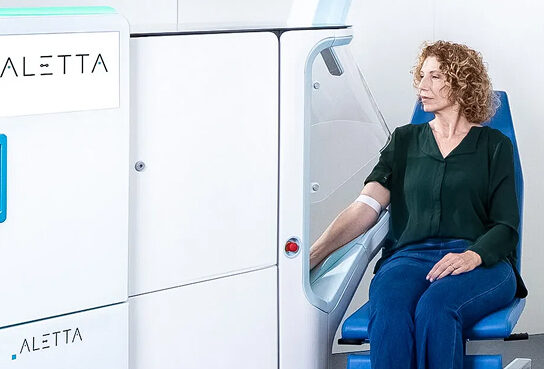
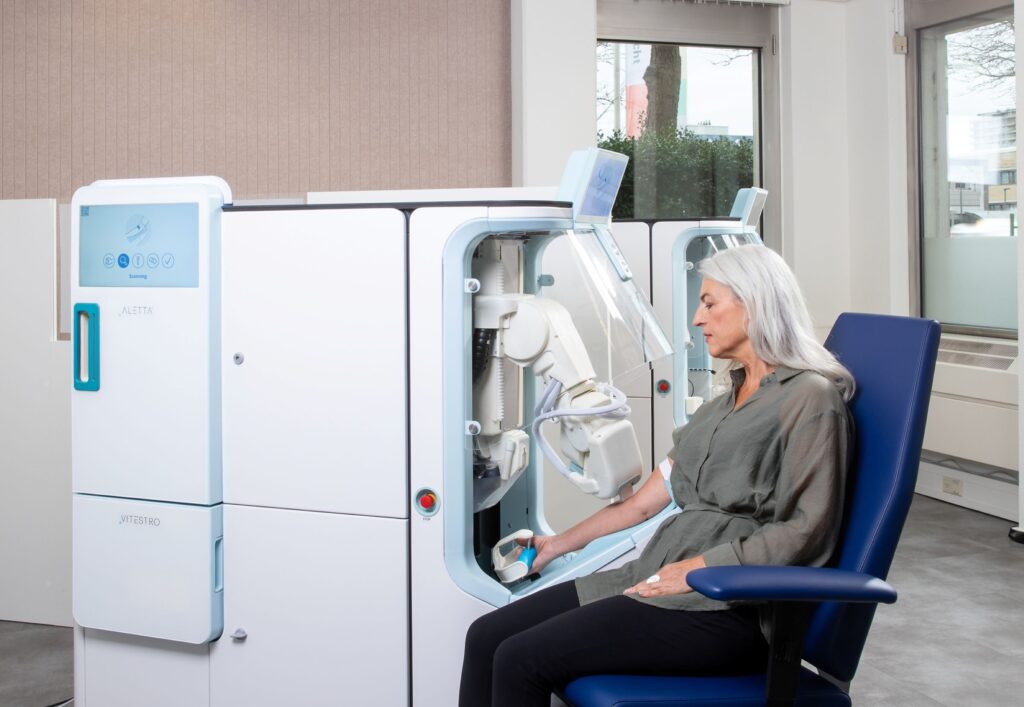
Patients in Europe embrace Aletta®
Wilma, Female, 64
Teddy, Female, 57
Mohamed, Male, 37
U.S. clinical research and market research collaborators







Challenges in manual phlebotomy in the U.S.
Phlebotomy staffing is under sustained pressure
Phlebotomy has the highest turnover of any role in the clinical laboratory, with a median of 25% annually.¹ Constant recruiting and retraining leaves coverage gaps, and the role carries occupational risk, including exposure to needlestick injury.²
Heavy workloads and varying experience levels affect both patient experience and reliability.
Preanalytical errors impact laboratory quality
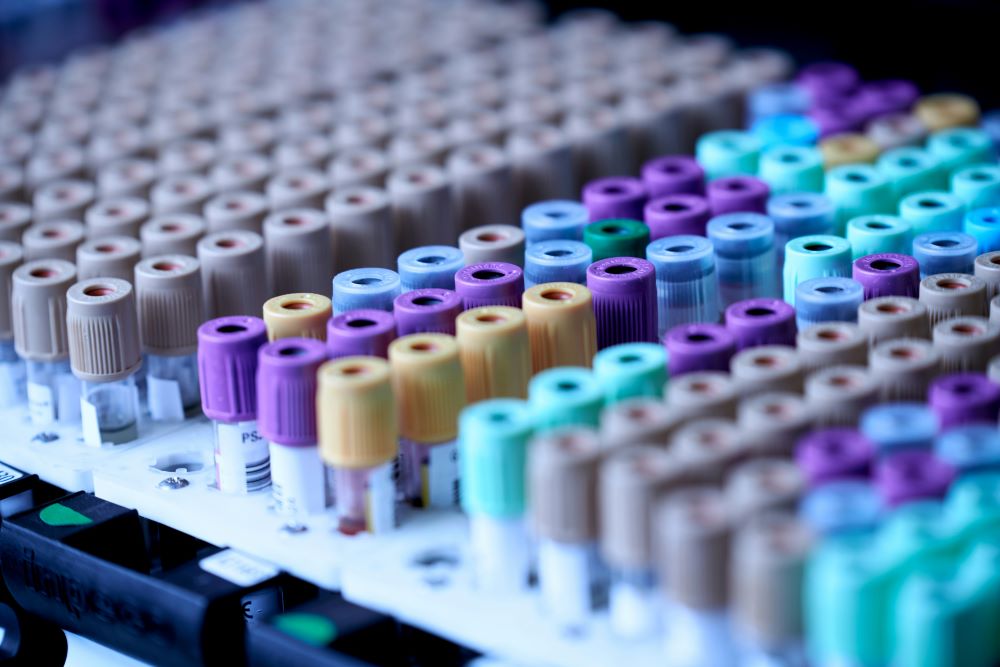
The preanalytical phase introduces more variability into diagnostics than any other part of the testing process. Skin preparation, vein selection, needle angle, tourniquet time, tube filling, mixing and labeling all depend on individual technique and surrounding conditions.³
Varying levels of experience compound this. Manual blood collection is consistent only to the degree that each phlebotomist’s technique is consistent, and no two draws are performed identically.
In high-volume departments, that variability becomes more pronounced. Patient volumes, fluctuating staffing and time pressure increase the likelihood of hemolysis, mislabeled tubes and redraws, driving up cost per draw and delaying results.³

Vitestro's technology helps improve sample standardization and solve staffing shortages at our blood drawing department. Patients are also very positive.
Anja Leyte
CEO of OLVG Laboratories
Manual blood collection limits standardization
Despite advances in laboratory automation, blood collection remains one of the few fully manual steps in the diagnostic workflow. Manual phlebotomy depends on individual technique and environmental conditions, making it challenging to achieve uniformity at scale.³ This variability affects workflow efficiency and sample integrity across high volume departments.