Discover how Aletta® sets a new standard for blood collection
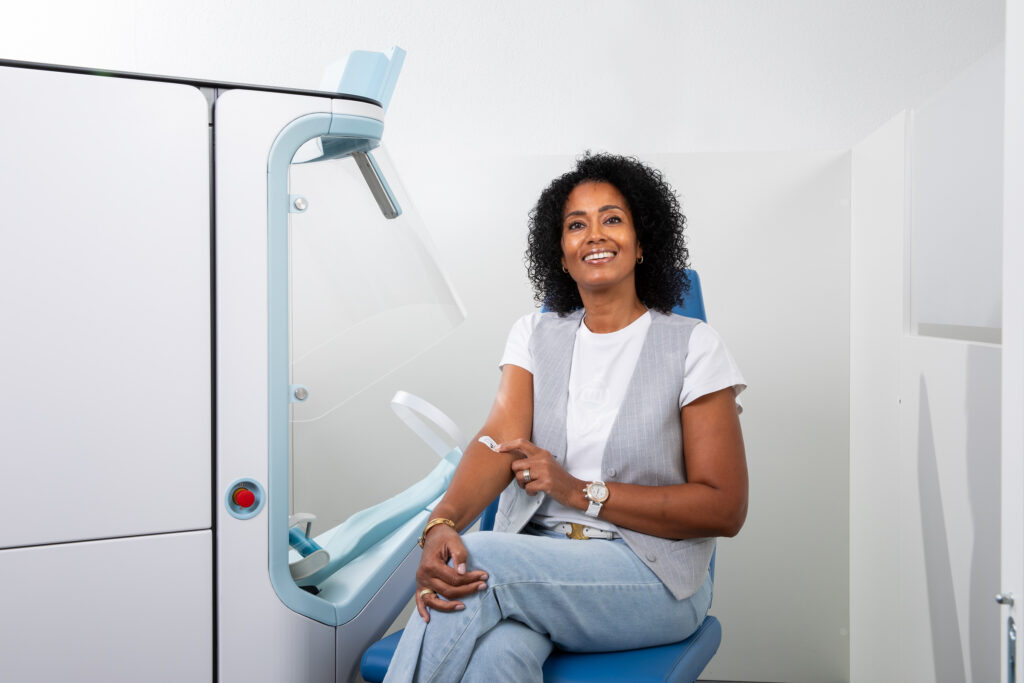
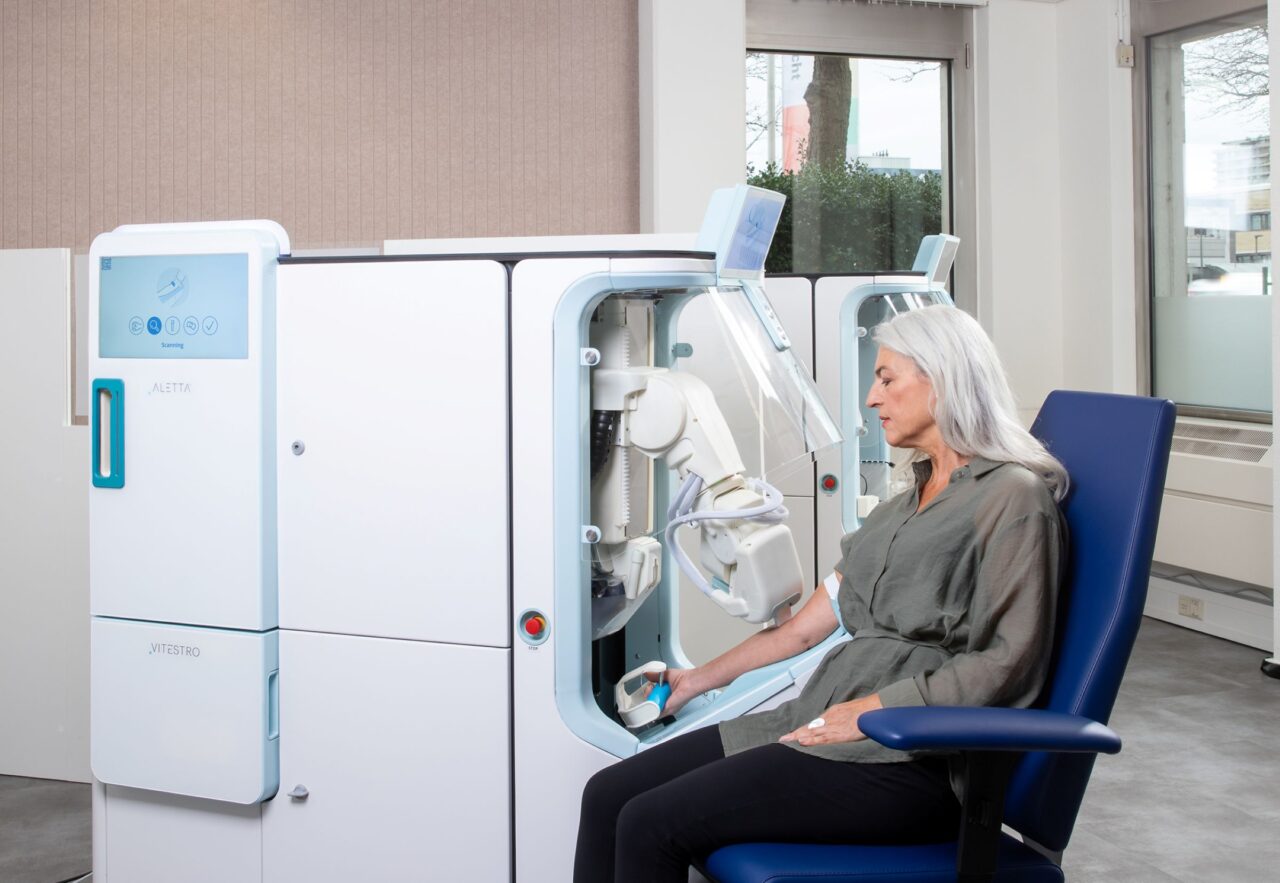
Aletta®, the world’s first Autonomous Robotic Phlebotomy Device™ (ARPD™), automates the diagnostic blood collection process.
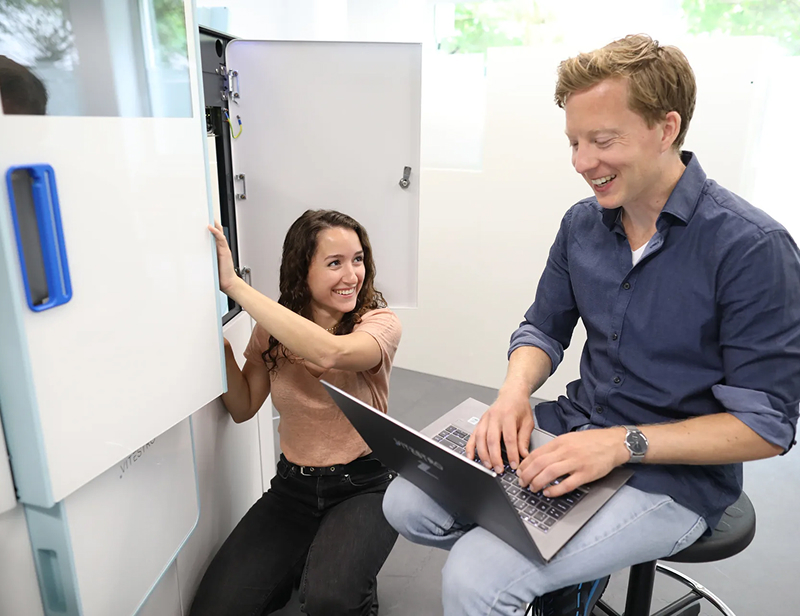
Addresses staffing shortages
Aletta® is designed to reduce workload, improve efficiency, and enhance the patient experience.
Performs a fully autonomous blood draw
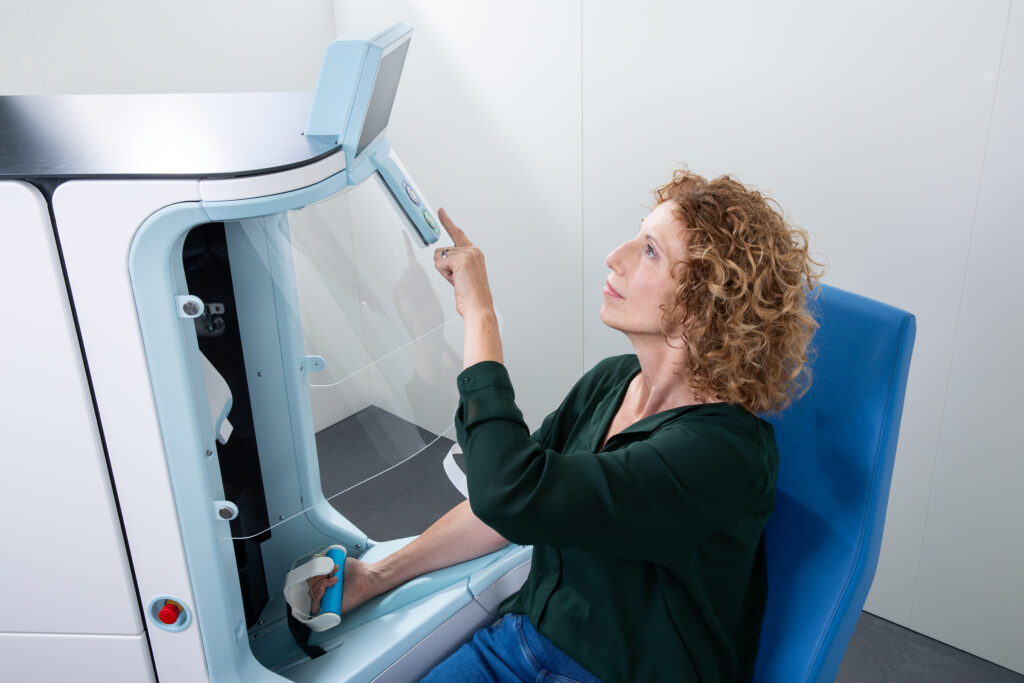
Aletta® performs the entire blood draw on its own, from placing the tourniquet to applying the bandage.
Supports large-volume sites
In our model, one supervisor can oversee up to three Aletta® devices, making it ideal for busy blood draw centers.
Automating phlebotomy with Aletta® ARPD™
Aletta® is designed to perform the complete blood draw procedure autonomously. This includes identification of a suitable vein, inserting the needle, changing and inverting the tubes, and placing the bandage.
To locate a suitable vein, Aletta® uses multimodal imaging that combines near infrared and ultrasound. In addition, the device uses Doppler ultrasound to confirm it has selected a vein and not an artery. Then, Aletta® positions and inserts the needle with submillimeter precision.
By automating these steps, Aletta® aims to improve consistency and reduce variability in blood collection. This supports the shift towards fully automated laboratory workflows.
Today, Aletta® has received FDA authorization, CE mark certification in the European Union and is currently used in clinical trials in Europe. The first deployments are planned in the Netherlands, Denmark, and the United States.
Clinical Evidence
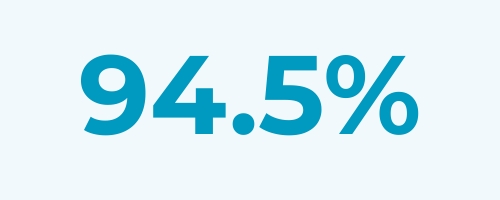

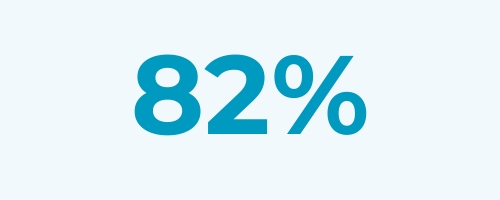
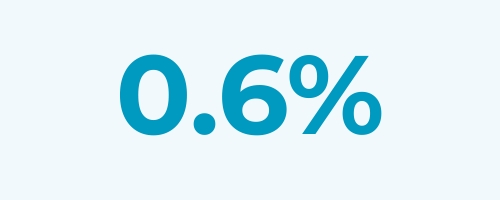
Our clinical partners



Our U.S. collaborators
We collaborate with U.S. health systems across clinical research and market research initiatives.
Our other collaborators will be added upon the health system’s internal review and approval to reference brand.
U.S. clinical research and market research collaborators







¹ Giesen, L.F.P., Roest, J.A., et al. Performance, Safety, and Patient Experience of an Autonomous Robotic Phlebotomy Device: A Multicenter Trial. Clinical Chemistry (2026)
Note: this study evaluated an investigational version of the device. The results have not been reviewed by regulatory authorities.